School Readiness Assessments
A comprehensive, multidisciplinary look at your child's skills before Kindergarten — so you start school with confidence and the right supports in place.
School readiness is much more than knowing letters and numbers. It covers fine and gross motor skills, attention and self-regulation, social skills, communication, and self-care — everything a child needs to take part and keep up in a classroom.
Our School Readiness Assessment combines standardised, evidence-based tools with play-based observation and parent input, so you get a clear picture of your child's strengths and any areas worth building before they start Kindergarten.
Ideally completed in the year before school starts (often Term 2–3 of the pre-school year), the assessment can also help families decide whether to start school or wait another year.
Pencil skills are one of the school tasks parents ask about most — our OTs cover when messy handwriting is worth seeing an occupational therapist for children already at school.
What we assess
- Foundational concepts (colours, letters, numbers, shapes, comparisons) using the Bracken (BSRA-4)
- Fine & gross motor skills using the Peabody (PDMS-3)
- Pencil grip, scissor use and pre-writing
- Attention, listening & ability to follow instructions
- Emotional regulation & coping with transitions
- Social skills — turn-taking, sharing, group play
- Communication — speech clarity, expressive & receptive language
- Self-care — toileting, dressing, lunchbox & drink bottle independence
Our assessment process
Intake
A conversation with parents about your concerns, your child's preschool experience, and any feedback from educators.
Standardised Assessment
We use validated, norm-referenced tools — the Bracken School Readiness Assessment (BSRA-4) for academic concepts and the Peabody Developmental Motor Scales (PDMS-3) for fine and gross motor skills.
Play-based Observation
We observe attention, regulation, social interaction and self-care through play, with optional preschool or daycare visits.
Parent Feedback Session
We sit down with you to walk through findings, your child's strengths, areas to build, and practical strategies for home.
Written Report
A clear, family-friendly report you can share with your school, preschool, GP or NDIS planner.
Targeted Support
Where gaps are identified, we recommend short-term therapy blocks or a home program to build readiness before Term 1.
Who it's for
- Children due to start Kindergarten the following year
- Families unsure whether to start school or wait another year
- Children with known developmental delays or NDIS plans
- Preschools or teachers who have raised concerns
- Families new to Australia navigating the school system
Pricing & funding
Assessments are typically completed across 1–2 sessions with a written report turnaround of 2–4 weeks. Funded under NDIS Capacity Building — Improved Daily Living, Medicare CDM rebates with GP referral (claimed on the spot — you only pay the gap), private health (HICAPS on the spot), or private pay. Contact us for a clear quote before we begin.
See funding FAQsWhat to bring to your first appointment
- Any recent reports or assessments from other clinicians
- Your NDIS plan (if applicable) or Medicare/GP referral
- A water bottle for your child
- Comfort items, snacks or anything that helps your child settle
Frequently asked questions
When should we do a school readiness assessment?
Ideally in the year before your child starts Kindergarten — Term 2 or 3 of the preschool year gives enough time to act on findings before school begins.
What assessment tools do you use?
We use the Bracken School Readiness Assessment (BSRA-4) for foundational academic concepts and the Peabody Developmental Motor Scales – Third Edition (PDMS-3) for fine and gross motor skills, combined with play-based assessment, parent and teacher input, and (where helpful) a preschool observation.
Should my child start school or wait another year?
Deciding to defer is a valid, common outcome. The assessment gives you objective information — strengths, gaps, and how your child compares to age peers — so you can make an informed decision alongside your preschool and family.
Can the assessment be done at preschool?
The standardised parts are best completed in our Kogarah clinic where we can control distractions, but we offer optional preschool or daycare observation as part of the process.
What happens if gaps are identified?
We'll recommend targeted next steps — this might be a short therapy block, a home program, or referral within our team (OT, speech or physio) to build readiness before Term 1.
What to expect on your first visit
- 1
We talk through why you've come and what you want to get out of it
- 2
Background gathering — previous reports, current concerns, day-to-day routines
- 3
Hands-on assessment or play-based observation, paced to your child's comfort
- 4
Initial impressions, suggested next steps and an opportunity to ask questions
Within a few days you'll receive a short summary, suggested goals and a recommended session schedule.
Care that works together

Occupational Therapy
Everyday skills — dressing, handwriting, play, coping with change — built around what your child wants to do.
Explore occupational therapy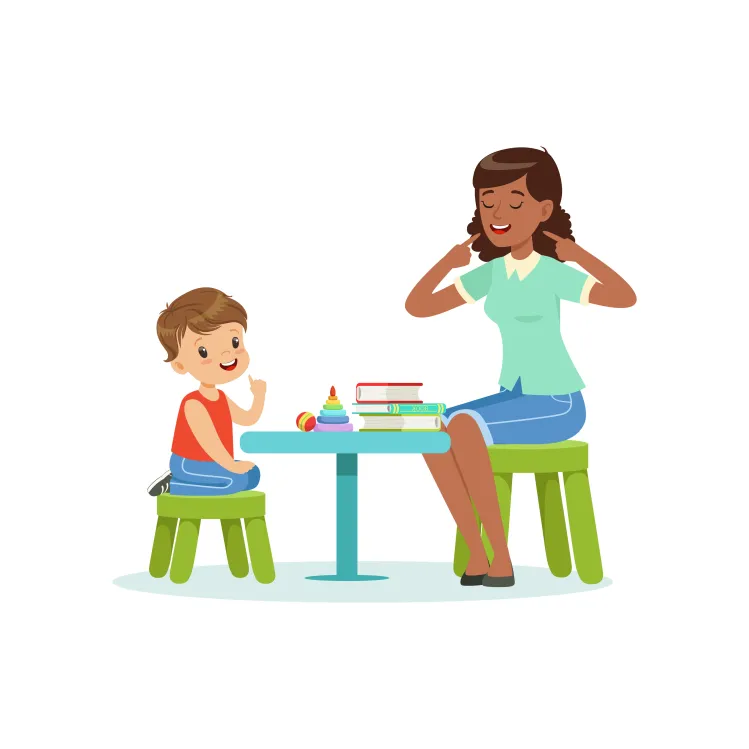
Speech Therapy
Speech pathology for clearer speech, understanding language, and getting thoughts into words.
Explore speech therapy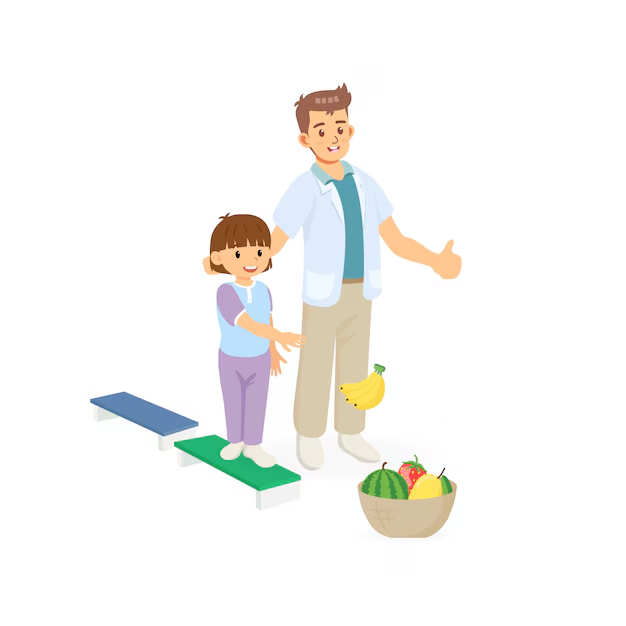
Physiotherapy
Strength, balance and coordination for the playground, sport and keeping up with friends.
Explore physiotherapy
Functional Capacity Assessments
Assessment reports showing what someone can and can't do day to day — for NDIS, return-to-work or claims management.
Explore functional capacity assessmentsReady to get started?
Speak directly with our director. No obligation — just a chat about how we can help.
Free call-backs and discovery calls are with our director, subject to availability, one per family, with no ongoing commitment.