Strength Training for Adolescents
How physiotherapy strengthening programs support adolescents with autism or intellectual disability to build strength, improve movement and gain confidence.

Adolescence is a critical time for physical development. In young people with disabilities such as Autism Spectrum Disorder (ASD) or an Intellectual Disability, building strength, coordination and confidence in movement can require additional support.
Physiotherapy plays an important role in helping adolescents develop the physical skills they need for everyday activities, sports, school and community life. Many are transitioning from school to work, where proper manual handling and injury prevention become essential. At Square One Therapy Hub, our physiotherapists work closely with young people and their families to develop personalised strengthening programs that are engaging, achievable and tailored to each individual's goals.
Why strength development can be challenging
Young people with a disability are more likely to have gross motor delay, which can impact strength and movement. These may include:
- Reduced muscle strength
- Lower endurance
- Delayed motor skill development
- Coordination difficulties
- Reduced confidence with physical activity
- Sensory processing differences affecting movement
These challenges can make running, climbing stairs, playing sports or working a job more difficult. Physiotherapy helps address them through structured, supportive strengthening programs.
The benefits of a strengthening program
Strength training at Square One Therapy Hub is guided by a physiotherapist and can provide many benefits, including:
- Improved muscle tone and strength — low muscle tone is common in young people with developmental delays.
- Improved balance and coordination — single-leg and similar exercises challenge balance.
- Increased participation in sport and activity — confidence grows alongside strength.
- Injury prevention — proper lifting technique reduces injury risk at work and in sport.
- Increased confidence — small wins build big confidence.
What can a strength program involve?
Programs are tailored to each adolescent's needs, interests and abilities. Sessions may include:
- Bodyweight exercises like squats, lunges and step-ups
- Free weights like dumbbells or kettlebells
- Core strengthening exercises
- Game-based tasks involving competition and timing
- Balance and stability training
A collaborative approach
Programs are designed collaboratively with the young person, their family and other members of their Square One therapy team. This may include working alongside other Square One clinicians (Occupational Therapists, Speech Pathologists), teachers and support staff, psychologists, and doctors.
Book a physiotherapy assessment
If you'd like to learn more about physiotherapy support for adolescents, contact Square One Therapy Hub to book an assessment. Our team provides physiotherapy services across Sydney through clinic, home and school-based therapies.
More from the blog

How Paediatric Speech Therapy Supports Social Skills in Children
Why some children find friendship-building hard, the signs to look out for, and how speech therapy supports social communication, confidence and connection.
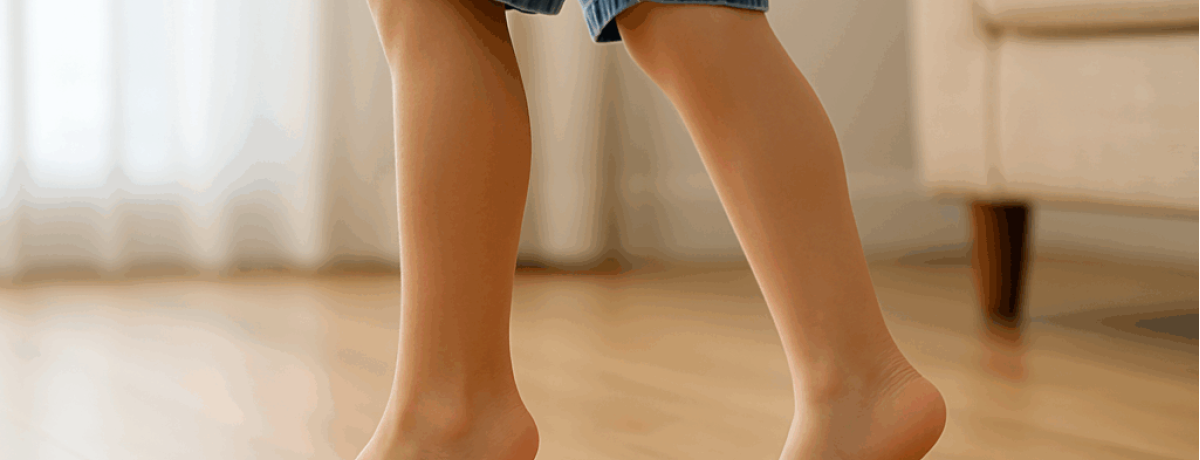
Toe Walking in Toddlers
What toe walking means, when to be concerned, and how paediatric physiotherapy can help your child develop strong, efficient walking patterns.

Pre-Writing Skills Before Learning to Write
The foundational skills children need before handwriting, signs they may need support, and play-based ways to build them at home.